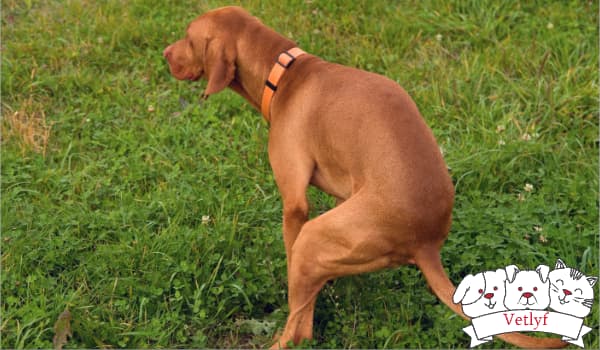
Understanding Anal Sac Diseases in Dogs: A Guide
Anal sacs, or anal glands, are two small pouches located on either side of a dog's anus, positioned at approximately the 4 o'clock and 8 o'clock locations. These glands serve a vital purpose in marking territory and facilitating communication between dogs. However, when issues arise in this region, they can lead to significant discomfort and health problems for your canine companion. In this guide, we explore anal sac diseases, covering their causes, symptoms, diagnosis, and treatment options.
What Are Anal Sac Diseases?
Anal sac diseases refer to a range of conditions that can affect these small glands, often due to inflammation or infection. The two primary issues are:
- Impaction: The anal sacs fill up but do not empty properly, leading to a firm, swollen gland.
- Infection: Bacteria can enter the blocked gland, causing an abscess or more severe infection.
Symptoms to Watch For
Recognizing the symptoms of anal sac diseases can help you ensure your dog receives prompt veterinary care. Common signs include:
- Scooting on the ground to relieve itchiness or discomfort
- Licking or biting around the tail and anus
- An unusual, strong odor from your dog’s rear
- Swelling or redness around the anal area
- Difficulty defecating or obvious pain when doing so
Causes of Anal Sac Problems
The causes of anal sac issues can be diverse, including:
- Genetic predisposition, as smaller breeds like Dachshunds and Chihuahuas often have more problems.
- Poor diet leading to irregular bowel movements and insufficient pressure to express the sacs.
- Obesity, which can affect normal muscle tone needed for emptying.
- Frequent diarrhea, which causes the sacs to not empty normally.
Diagnosis
Your veterinarian will perform a physical examination, assessing the anal glands by feeling them through the rectum. If infection or chronic problems are suspected, further diagnostic tools might include:
| Diagnostic Tool | Description |
|---|---|
| Physical Exam | The veterinarian manually checks the glands for swelling or discharge. |
| Imaging (X-rays or Ultrasound) | Used in complicated cases to rule out tumors or other issues. |
| Culture and Sensitivity Test | Determines the type of bacteria present to select the appropriate antibiotic if infection is confirmed. |
Treatment Options
Treatment for anal sac diseases depends on the underlying issue. Options include:
- Manual Expression: Routine expression by a veterinarian or professional groomer can prevent impaction.
- Antibiotics: Prescribed if an infection is present.
- Dietary Changes: Increasing fiber to firm up stools may help natural expression of the sacs.
- Surgery: In persistent, severe cases, surgical removal might be recommended. This is typically a last resort due to potential complications.
Prevention
Preventing anal sac disease can save your dog from discomfort and potential complications. Some preventative measures include:
- Providing a balanced diet rich in fiber.
- Maintaining a healthy weight for your dog.
- Regular check-ups with your veterinarian to monitor anal sac health.
For additional resources and to schedule a veterinary appointment, visit Vetlyf.
Conclusion
Understanding and addressing anal sac diseases can significantly improve your dog’s quality of life. Timely identification and professional veterinary care are crucial in managing these conditions. Always consult with your veterinarian if you suspect your dog is suffering from an anal sac issue to determine the best course of action.